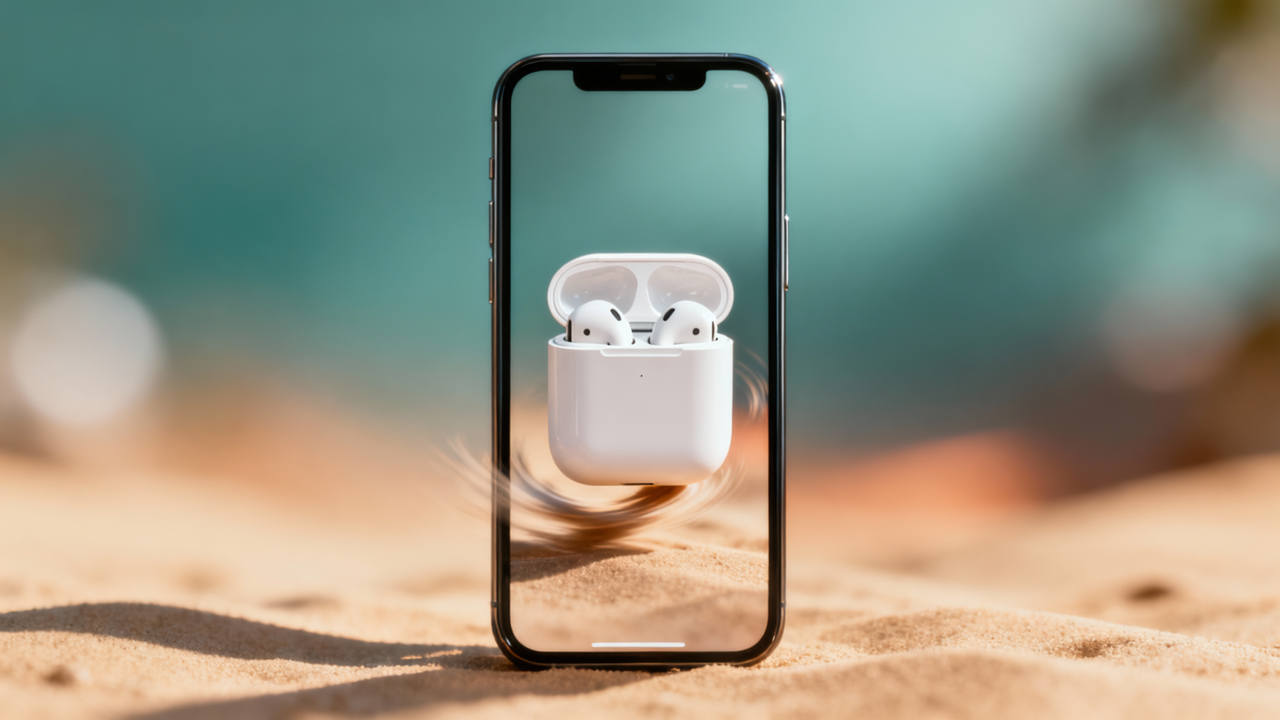
Why Vertical Product Videos Are Essential for New Product Launches in 2026
If you’re launching a new product in 2026, one truth is non-negotiable: your first impression won’t happen on a desktop homepage — it’ll happen in a scroll. On TikTok Shop. In Instagram Reels. Inside Amazon’s mobile detail page. Or embedded in a WhatsApp catalog for Southeast Asian buyers. And in every one of those places, the frame is *vertical*.
By 2026, over 78% of all ecommerce video views occur on mobile-first platforms where vertical orientation isn’t just preferred — it’s required for full-screen immersion, thumb-friendly navigation, and algorithmic favor. Yet many brands still default to horizontal 16:9 assets, resizing them poorly or abandoning video altogether for static images. That’s a conversion leak — and a missed signal to algorithms that your product is *engagement-ready*.
What Makes a Vertical Product Video Different?
A vertical product video (9:16 aspect ratio, typically 1080×1920 px) is engineered for immediacy:
- **First 1.5 seconds must communicate value** — no logo fades, no voiceover intros.
- **No dead space**: product fills ≥70% of frame at all times.
- **Silent-first design**: 83% of TikTok and Instagram users watch without sound initially — motion, text overlays, and visual contrast do the heavy lifting.
- **Loop-optimized**: Designed to replay seamlessly — critical for feed-based discovery.
Unlike traditional explainer videos, vertical product videos serve as *shoppable micro-experiences*: showing scale, texture, color accuracy, and real-world use — all within 6–12 seconds.
Where Vertical Videos Drive Real Revenue (Not Just Views)
### ✅ Amazon Mobile Detail Pages
Amazon now surfaces vertical videos *above the fold* on its mobile app — ahead of bullet points and even main images. Sellers using vertical videos see an average 22% lift in add-to-cart rate (Amazon internal data, Q1 2026), especially for categories like beauty tools, home gadgets, and apparel accessories.
### ✅ TikTok Shop & Live Commerce
TikTok Shop’s native video carousel prioritizes vertical assets with native shopping tags. Brands launching via TikTok Shop report 3.2× higher click-through to checkout when vertical videos replace static hero images — particularly for limited-edition drops and influencer co-branded SKUs.
### ✅ Shopify Stores with Embedded Social Feeds
Modern Shopify themes (e.g., Dawn 4.0+, Impulse) support inline vertical video carousels on collection pages. When paired with dynamic inventory syncing, these videos auto-update with stock status — turning scarcity cues (e.g., “Only 3 left”) into visual urgency.
### ✅ Cross-Border Marketplaces (Lazada, Shopee, Coupang)
In APAC and LATAM, localized vertical videos increase trust by reflecting regional usage contexts — e.g., showing a portable blender used in a Manila kitchenette, not a generic studio set. Auto-translated captions and culturally resonant transitions boost retention by up to 41% (Shopify Local Insights, March 2026).
The Production Bottleneck — And How AI Solves It
Creating custom vertical videos for every SKU launch used to mean days of scripting, shooting, editing, and localization. In 2026, that’s obsolete.
Enter AI-generated vertical videos — not as gimmicks, but as *production accelerators*. Modern tools now generate coherent, brand-consistent clips from simple inputs: product photos, style prompts, and key selling points.
Here’s where Seedance 2.0 fits in naturally:
- Upload a single high-res product image (front + 3/4 angle recommended).
- Select your platform target (e.g., “TikTok Shop – Beauty”, “Amazon US – Home & Kitchen”).
- Add 2–3 core features (“USB-C rechargeable”, “fits standard cup holders”, “matte black finish”).
- Seedance 2.0 generates a 9-second vertical video — with smooth zooms, subtle shadow depth, accurate color rendering, and optional localized text overlays (English/Spanish/Thai toggle built-in).
No green screen. No model fees. No multilingual voiceover contracts. Just editable, platform-optimized output — ready for A/B testing in under 9 minutes.
> 💡 Pro tip: Use Seedance 2.0’s ‘Cross-Border Variant’ mode to batch-generate region-specific versions — same product, different background context (e.g., Tokyo apartment vs. Berlin balcony), same core script.
Practical Launch Workflow: From Concept to Conversion
Here’s how top-performing brands structure their vertical video rollout for new SKUs:
This isn’t theoretical. A Seoul-based skincare startup launched its vitamin C serum across 7 markets using this workflow — achieving 37% lower cost-per-acquisition than previous launches, with 92% of initial traffic coming from vertical video taps.
Beyond the Feed: Vertical Video as a Data Layer
Smart teams treat vertical videos not just as content — but as *structured data carriers*. For example:
- Embedding dynamic QR codes (updated weekly) that route users to localized landing pages.
- Using AI-generated video metadata (via Seedance 2.0’s export panel) to auto-populate Shopify metafields: `video_duration`, `primary_color_hex`, `dominant_texture_tag`.
- Feeding frame-level analytics (e.g., “pause rate spikes at 0:07 during lid demonstration”) back into packaging or instruction design.
This transforms video from a marketing expense into an iterative product intelligence tool.
Getting Started — Without Over-Engineering
You don’t need a studio or a video team. You *do* need:
- One clean, well-lit product photo (white or neutral background works best).
- A clear UVP — phrased in active voice (“charges fully in 45 minutes”, not “fast charging”).
- Platform priorities — pick *one* channel to optimize for first (e.g., Amazon mobile), then expand.
Then go to Seedance 2.0, select ‘New Product Launch’, and generate your first vertical video in <5 minutes. Iterate based on real metrics — not gut feel.
In 2026, vertical product videos aren’t the future of ecommerce. They’re the baseline. And the brands winning new launches aren’t those with the biggest budgets — they’re the ones shipping clarity, context, and confidence — one vertical frame at a time.