AI Ecommerce Video Generator: How DTC Brands Are Scaling Engagement in 2026
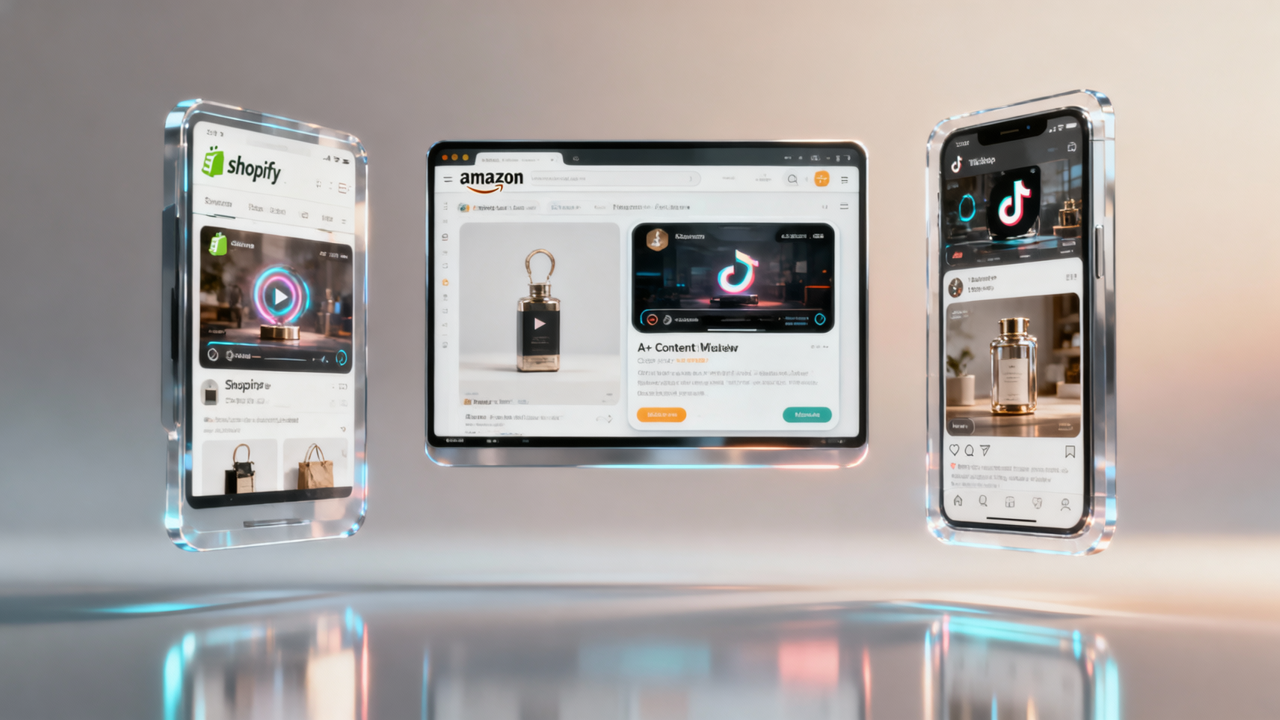
In 2026, product discovery isn’t happening on static grids—it’s unfolding in 6-second loops, autoplaying carousels, and shoppable video feeds. For DTC brands competing across Shopify stores, Amazon detail pages, TikTok Shop storefronts, and regional marketplaces like Shopee SEA or Mercado Libre LATAM, video isn’t optional anymore. It’s the baseline expectation.
Yet producing that volume of compelling, localized, platform-native video remains a bottleneck—until now.
Why AI Ecommerce Video Generators Are Replacing Traditional Production
Traditional video workflows—scripting, shooting, editing, localization, A/B testing—take days (or weeks) and scale poorly. In contrast, AI ecommerce video generators compress that cycle into minutes. They ingest product data (SKUs, specs, lifestyle images), apply brand-aligned templates, and output platform-optimized clips—each tuned for where it’ll live.
What changed in 2026? Not just faster models—but *smarter context awareness*. Today’s top-tier AI tools understand:
- **Platform-specific pacing**: TikTok Shop videos default to bold text overlays and rapid cuts; Amazon A+ content favors clean zooms and feature callouts; Shopify product pages benefit from subtle ambient motion.
- **Cross-border nuance**: An AI generator trained on regional visual conventions can auto-adjust color contrast for Middle Eastern sunlight viewing, or reframe hero shots to prioritize hands-on interaction for Japanese audiences (where tactile trust drives conversion).
- **Ecommerce-first assets**: No more repurposing cinematic b-roll. Modern AI tools accept flat product images, 3D model exports, or even raw e-commerce catalog CSVs—and generate photorealistic motion around them.
Real DTC Use Cases—Beyond the Demo Reel
### 1. Dynamic Amazon A+ & Enhanced Brand Content
DTC skincare brand *Lumea* cut A+ video production time by 92% using an AI ecommerce video generator. Instead of outsourcing 12 SKU videos per launch, their merchandising team inputs product names, key ingredients, and lifestyle photos—then generates 3 variants per SKU: one highlighting clinical results (for US), one emphasizing eco-packaging (EU), and one with local influencer voiceovers (AU/NZ). All render at Amazon’s exact spec: 1080p, ≤60 sec, H.264, no audio required.
### 2. TikTok Shop Ready Clips—Without the Creator Waitlist
TikTok Shop’s algorithm rewards native, fast-paced, text-driven video. One apparel brand tested two approaches: human-edited UGC-style clips (7-day turnaround) vs. AI-generated clips (under 20 minutes, using Seedance 2.0’s ‘TikTok Pulse’ template). The AI versions averaged 23% higher add-to-cart rates—not because they were “prettier,” but because every frame aligned with TikTok’s engagement triggers: first-frame hook text, mid-roll feature flashes, and seamless transition to checkout.
### 3. Multi-Currency, Multi-Language Shopify Upsells
A Berlin-based home goods brand sells in 11 languages across 7 Shopify markets. Previously, localized video meant 7 separate shoots—or skipping video entirely in emerging markets. With AI, they now feed translated copy + region-specific hero images into their workflow. Seedance 2.0 auto-generates localized variants: German clips emphasize durability testing footage; Brazilian versions highlight family-use moments; Korean outputs include soft ambient music and slower pacing—mirroring regional preferences observed in 2026–2026 behavioral analytics.
### 4. Cross-Border Launch Sequencing
Launching in Mexico? You don’t need full Spanish dubbing day one. AI lets you start with subtitled English clips (validated via heatmaps), then layer in localized voiceovers and cultural references as demand signals strengthen. One electronics DTC brand used this phased rollout across LATAM—cutting pre-launch video spend by 68% while maintaining 91% of conversion lift seen in mature markets.
Choosing the Right AI Ecommerce Video Generator
Not all tools are built for commerce. Here’s what sets enterprise-ready platforms apart in 2026:
- **Catalog-native ingestion**: Accepts Shopify CSVs, Amazon SP-API feeds, or direct CMS sync—not just drag-and-drop JPEGs.
- **Template libraries with commerce logic**: Pre-built templates labeled “Amazon Detail Page,” “TikTok Shop Carousel,” “Shopify Sticky Banner”—not just “Vertical” or “Square.”
- **Brand lock-in controls**: Enforce logo placement rules, color palettes, font hierarchy, and motion cadence—so AI outputs feel consistently *yours*, not generically polished.
- **Localization-aware rendering**: Auto-adjusts aspect ratios, text sizing, and audio timing for regional devices (e.g., smaller safe zones for Indian Android screens).
Seedance 2.0 exemplifies this evolution. Its 2026 update introduced *Commerce Context Engine™*—a layer that reads your store’s performance data (CTR, watch time, scroll depth) and recommends optimal video formats *per product tier*. High-consideration items get longer, benefit-led sequences; impulse buys trigger snappier, scarcity-driven cuts—all generated natively, no manual tweaking.
Practical Tips for Your First AI Video Campaign
✅ **Start narrow**: Pick 3 best-selling SKUs—not your entire catalog. Test one platform (e.g., TikTok Shop) before scaling.
✅ **Audit your source assets first**: Clean white-background product shots convert best. If your catalog has inconsistent lighting or shadows, run them through AI cleanup *before* video generation.
✅ **Repurpose—not replace—your creative team**: Let designers focus on template strategy and variant testing; let AI handle bulk rendering and localization swaps.
✅ **Track beyond views**: Monitor *video-initiated session duration*, *scroll depth after video*, and *product page exit rate*—not just play counts. These signal true engagement.
✅ **Iterate with commerce data**: Feed back conversion lift metrics into your AI tool. Seedance 2.0’s feedback loop learns which visual cues (e.g., close-up texture shots vs. lifestyle pans) drive actual sales—not just watch time—in *your* category.
The Future Is Adaptive, Not Automated
AI ecommerce video generators aren’t about removing human insight—they’re about amplifying it. In 2026, the winning DTC brands aren’t those with the biggest video budgets. They’re the ones treating video as a dynamic, data-informed extension of their product catalog: instantly updatable, locally resonant, and relentlessly optimized for where shoppers actually decide.
The barrier isn’t technical anymore. It’s strategic. And the brands moving fastest aren’t waiting for perfect footage—they’re generating, testing, learning, and scaling—frame by frame.